Culture vultures, science enthusiasts and families alike will love the convenience of our Natural History Museum hotels. Being close to this top-class museum puts you in prime position for getting to other famous London attractions and all parts of central London. Stay near the Natural History Museum and you’ll be close to the V&A, the Science Museum, the Royal Albert Hall and Imperial College London. Had enough of museums for the day? Then step just outside South Kensington and you’ll find yourself in the luxury shopping destinations of Knightsbridge and King’s Road.
Hotels near the Natural History Museum
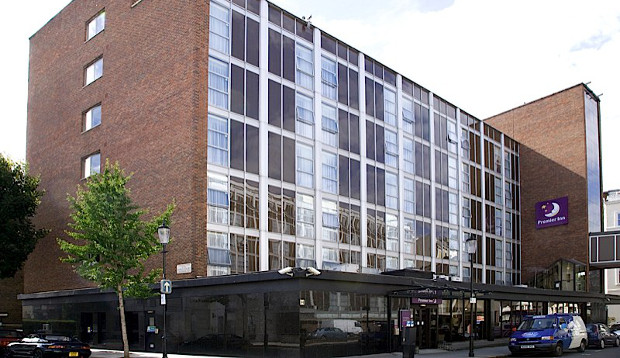
London Kensington (Earl's Court)
(0.7 miles)
Location

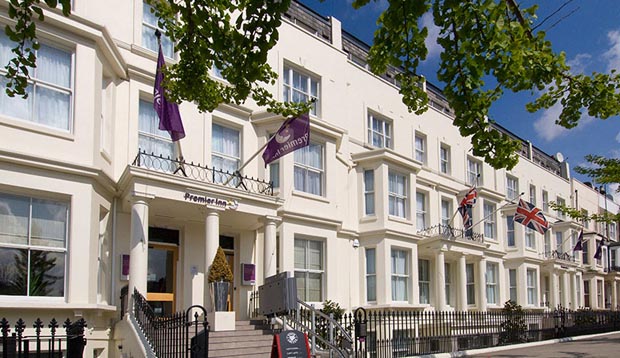
London Kensington (Olympia)
(0.9 miles)
Location

London Putney Bridge
(2.5 miles)
Location
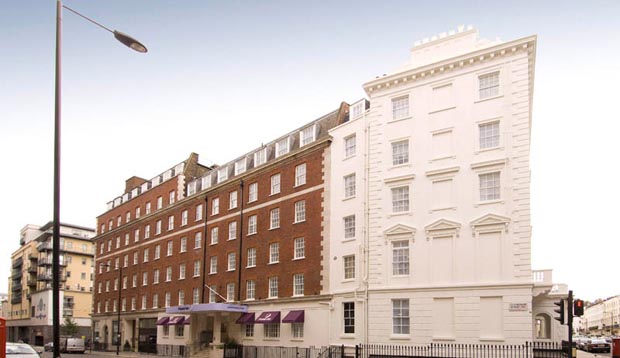
London Victoria
(1.5 miles)
Location

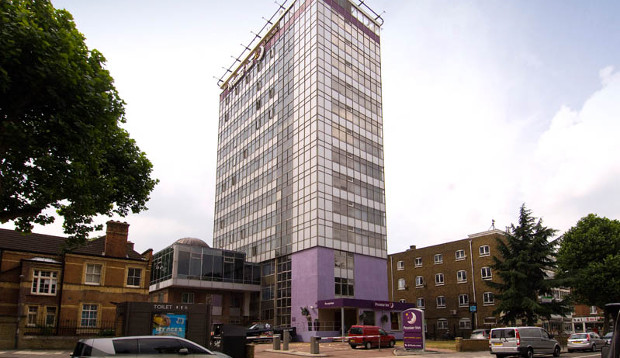
London Hammersmith (Ravenscourt Park)
(2.7 miles)
Location
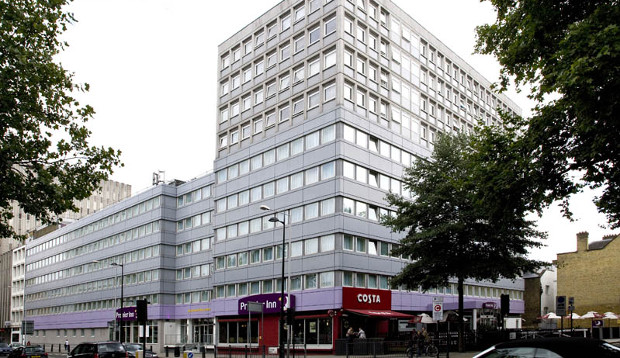
London Euston
(3 miles)
Location
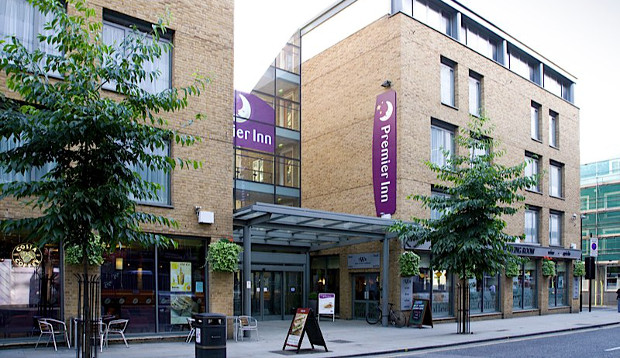
London Kings Cross
(3.4 miles)
Location
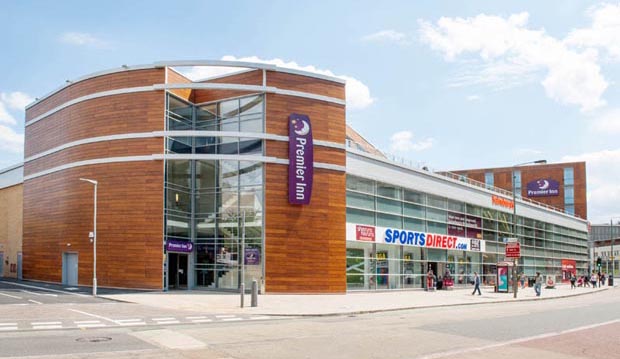
London Wandsworth
(3 miles)
Location
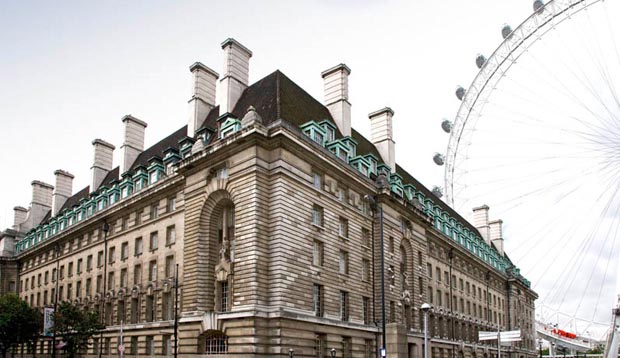
London County Hall
(2.5 miles)
Location

London Kew Bridge
(5.4 miles)
Location
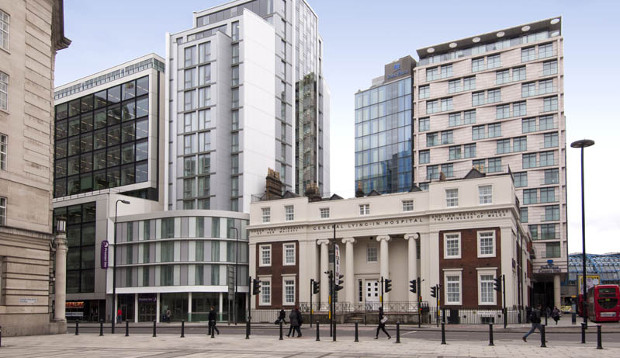
London Waterloo (Westminster Bridge)
(2.6 miles)
Location
About the Natural History Museum
What is the Natural History Museum?
The Natural History Museum is recognised worldwide as a centre of natural history and research. It exhibits a vast range of life and earth science specimens, around 80 million items, within five main collections, spanning four coloured zones and nearly 30 rooms; botany, entomology, mineralogy, palaeontology and zoology. The museum houses many famous and significant works such as specimens collected by Charles Darwin, but is perhaps most well-known for its exhibition of dinosaur skeletons and the blue whale skeleton that hangs from the ceiling in the central hall.
Who built the Natural History Museum?
The Natural History Museum was built by Alfred Waterhouse and opened on 18 April 1881 but the story of its creation stretches all the way back to 1753. In 1753, the British government purchased the extensive collection of natural history specimens of Sir Hans Sloane, a high society doctor who had travelled the world to complete his collection and had recently passed away. To house the impressive collection of more than 70,000 items, the British Museum was built. However, in 1856 Sir Richard Owen, the natural scientist who came up with the collective name of ‘dinosaurs’ for these prehistoric beasts, took charge of the British Museum’s natural history collection. However, he was unhappy with the lack of space so convinced the board of trustees that a separate building was needed.
It wasn’t until 1864 that Francis Fowke, who designed the Royal Albert Hall, won a competition to design the Natural History Museum. He sadly died a year later and was replaced by the little-known Alfred Waterhouse who came up with a new plan to build the spectacular, Romanesque building we know today as the Natural History Museum.
How much did it cost to build the Natural History Museum?
Alfred Waterhouse initial plans for the museum were costed at £495,000 but, due to budgetary concerns, some of his plans were scaled back and the estimated cost of building the Natural History Museum was £330,000.
Where is the Natural History Museum in London?
The Natural History Museum is in South Kensington, one of three major museums on Exhibition Road, the others being the Science Museum and the Victoria and Albert Museum.
What to see at the Natural History Museum
What can you do at the Natural History Museum?
The Natural History Museum is handily divided into four clear, coloured zones, each with its own specialist exhibits.
- Blue Zone
Dedicated to the amazing diversity of life on Earth, the Blue Zone is the most popular zone in the museum, especially with younger guests. The main reason for this is that it houses all of the dinosaurs, such as the animatronic T.rex. The Blue Zone also contains arguably the one exhibit that you must not miss when you visit, the life-size blue whale replica in the mammals section. Truly spectacular - Green Zone
- Walk through the incredible Hintze Hall to see the 1,300 giant sequoia tree and then satisfy your curiosity for all things creepy crawly (if you can stomach it!) to see insects, spiders, crabs and centipedes. Don’t miss the Vault, which houses the oldest substance you’ll ever see in your life – diamond dust formed from a star that exploded over a billion years ago
- Red Zone
The Red Zone is all about human evolution and the forces that have shaped it over thousands of years. It starts with a thrilling escalator ride straight into the Earth’s core and also contains the fascinating Volcanoes & Earthquakes exhibit. You’ll feel the floor shake to simulate what it would be like to live through a real-life eruption or quake! - Orange Zone
A perfect place to end your visit after all that excitement, the Orange Zone houses the Wildlife Garden, a truly beautiful and tranquil celebration of nature. The centrepiece though is the Darwin Centre. Shaped like a giant cocoon, you’ll be carried seven floors high via a lift and then explore the exhibitions, including 22 million creatures preserved in spirit jars, as you descend on foot.
As well as these four fascinating zones it’s worth checking the official website for special tours and events as there are some truly special and unique moments to enjoy throughout the year.
Is the big dinosaur still at the Natural History Museum? Where did it go?
The famous 26-metre diplodocus skeleton, affectionally known as ‘Dippy’, held centre stage at the museum for 112 years. It was removed in 2016 to begin a nationwide tour of museums and replaced with the fabulous blue whale skeleton.
Is the blue whale still at the Natural History Museum?
The stunning 25.2-metre blue whale skeleton, known as ‘Hope’, was installed as a replacement for Dippy the diplodocus and opened to the public on 14 July 2017. It was part of a reimagining of Hintze Hall, with hundreds of new specimens chosen to celebrate the wonder and beauty of the natural world.
Whereas Dippy was a replica of a real diplodocus skeleton, made out of plaster of paris, Hope the blue whale is a real skeleton. The whale had been stranded on sandbanks at the mouth of Wexford Harbour, Ireland in 1891 and was later acquired by the museum.
Are the animals real at the Natural History Museum?
The vast majority of the animals at the Natural History Museum are real, preserved by the intricate art of taxidermy. However, some of the fossils are not ‘real’ in the truest sense of the word. For example, ‘Dippy’, the huge diplodocus skeleton that was on display at the museum for 112 years was not the real skeleton, but a plaster of paris cast of the skeleton. Museums are generally excellent at making this distinction clear so look out for the signs and information points as you go round, or you could ask a helpful staff member for further clarity.
Cost and booking for the Natural History Museum
Is the Natural History Museum free?
The Natural History Museum is completely free to enter every day of the week. However, unless you’re a museum member, you’ll have to pay an admission charge for some of the temporary exhibitions and special tours and events.
Do you have to book Natural History Museum?
You don’t have to book in advance to enter the Natural History Museum although, at peak times, you may have to queue for a short time before entering. For special tours, events and exhibitions you may have to book tickets in advance. It’s worth checking the official website for details on how to access any event you’re interested in.
Visiting the Natural History Museum
How long does it take to go through the Natural History Museum?
The beauty of the Natural History Museum is that it’s free, so there’s no need to try and rush through everything on one visit. It’s full of such fascinating natural wonders that you could easily spend all day wandering around but, as a rough rule of thumb, allow about an hour per zone, so four hours in total to see everything it has to offer.
What train goes to the Natural History Museum?
There are no direct trains to the museum so your best bet is to hop on the tube and head for either South Kensington station or Gloucester Road station. Both stations can be accessed on the District, Circle or Piccadilly lines.
Where can I park near the Natural History Museum?
There are no parking facilities on site at the museum and parking nearby is limited so it’s recommended to only travel by car if you absolutely have to. There are several pay and display car parks close by that allow you to pre-book a parking space. The NCP car parks at London Pavilion Road or Cadogan Place Gardens are good options as they’re both a short walk from the museum itself.
Can you take photos in the Natural History Museum?
Feel free to take your camera, or in this day and age more likely your smartphone, as you are allowed to take photos inside the museum. There’s no shortage of fantastic exhibits to take photos of either so you’ll have plenty of material for your Instagram account after you’ve visited!
Can you take food and drink into the Natural History Museum?
You’re allowed to bring your own food and drink, which is excellent news during the warmer months when a packed lunch picnic on the front lawn is a real treat. However, food and drink is prohibited from collections and laboratory areas to protect these historic and irreplaceable resources. You may be required to store your food and drink in a locker dependent on where you want to go in the museum. If you forget to bring your own food and drink then don’t despair as there are five cafes and restaurants in the museum itself.
Can you take bags into the Natural History Museum?
You are allowed to take bags with you but may be asked to leave them in lockers or secure areas outside of the collections. Bags are also liable to be searched on arrival and you may be provided with a clear carrier bag to transfer your personal items into if you want to take them into collections areas.