Got tickets to the O2 Arena or flying in and out of London City Airport? Or perhaps you need to attend a conference or event at ExCel Exhibition Centre, or you’re on a work trip to Canary Wharf? If you tick any of these boxes then be sure to book one of our London Docklands hotels for maximum convenience and minimum travel.
Hotels near London Docklands
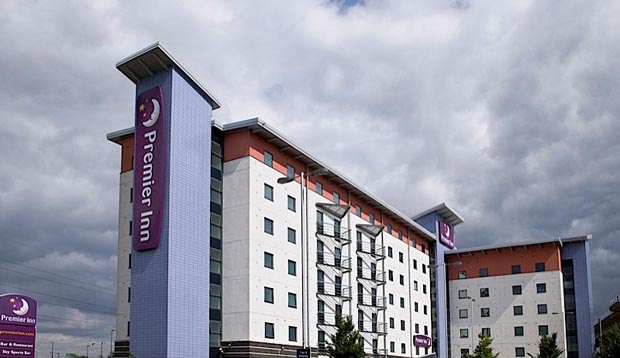
London Docklands (Excel)
(2.4 miles)
Location

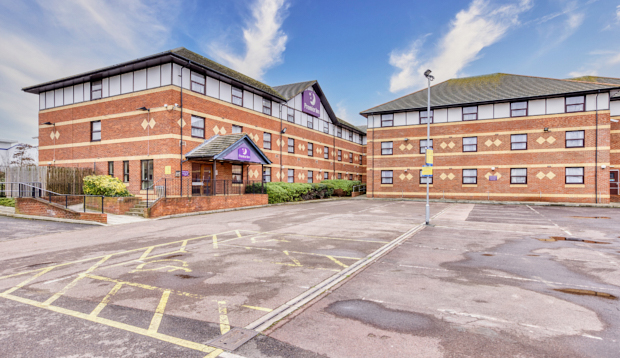
London Beckton
(3.6 miles)
Location

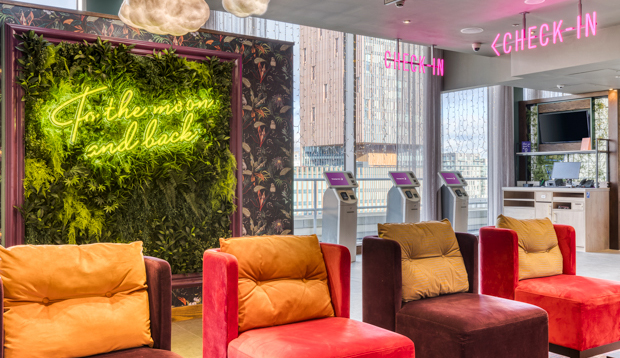
London Stratford
(3.4 miles)
Location
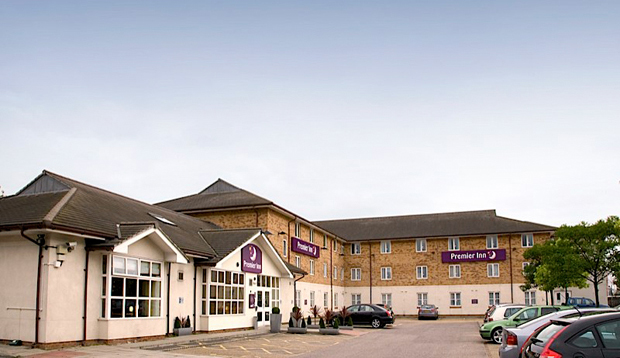
London Barking
(4.7 miles)
Location
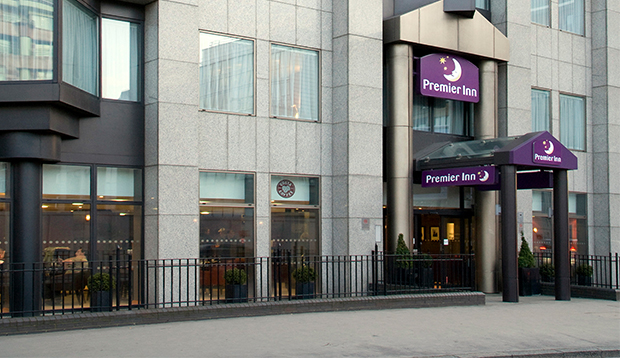
London City (Tower Hill)
(2.7 miles)
Location
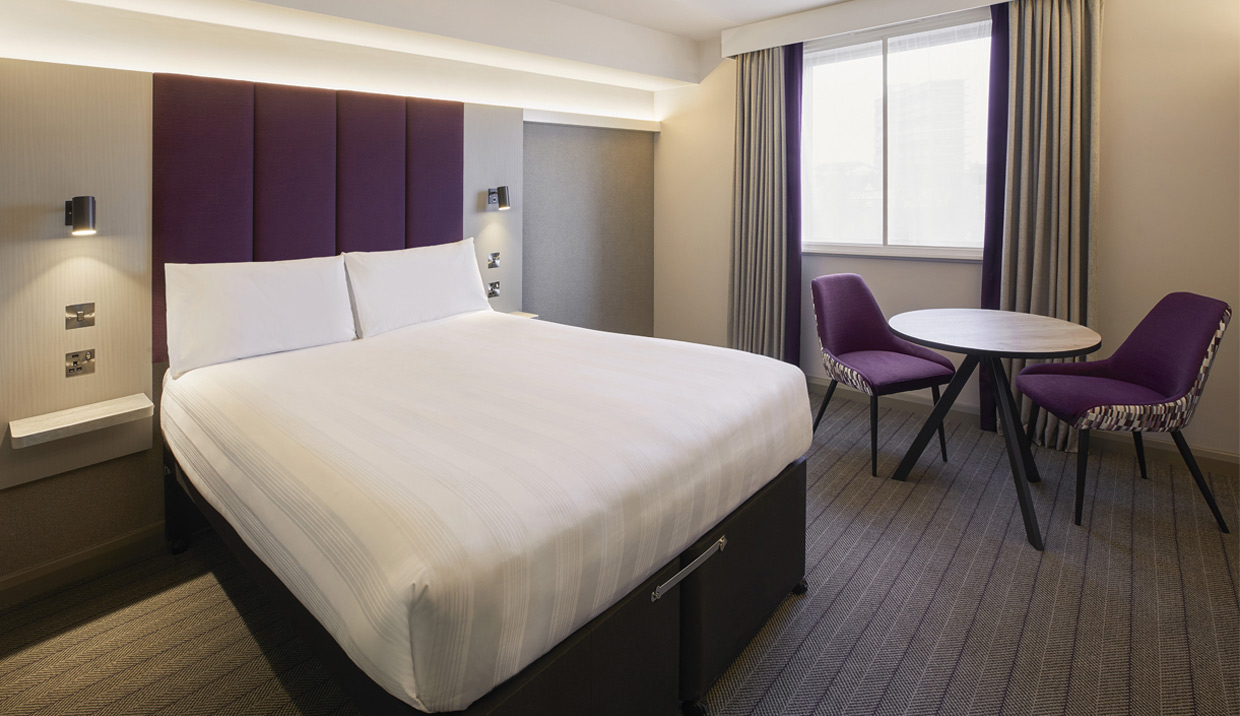
London Greenwich
(1.4 miles)
Location
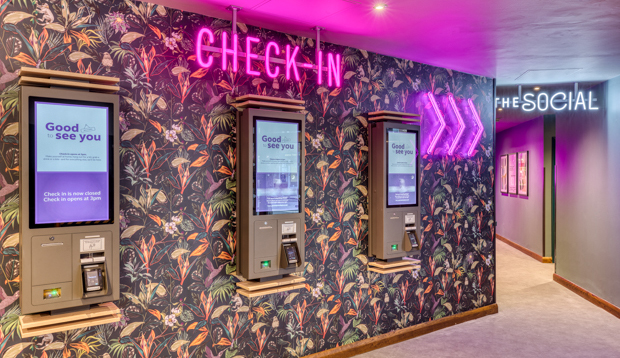
London Tower Bridge
(2.8 miles)
Location
About London Docklands
What was the Docklands used for in the past?
As the name suggests, the Docklands area of London were built in the 1800s as shipping docks, to expand the existing Port of London, the world’s busiest port at the time. Set along the river in the east of the city, each set of docks harnessed newer technology, as well as warehouses and vast storage spaces.
When and why did the London Docklands go into decline?
Despite suffering heavy damage from German bombing in World War II, it was between the 1960s and 1980s that the Docklands started to see a decline. As more efficient shipping methods led to larger containers, ships were unable to navigate as far along the Thames. Larger ports were built further down the river and the London docks began to fall into decline. The last vessel to leave from the docks before closing was in December 1981 and the closure is believed to have a led to major economic struggles for people in the area.
How has London Docklands been regenerated?
From the early 80s onwards, the London Docklands area has seen the introduction of several new developments, changing and updating the area. The DLR helped provide transport links, Canary Wharf created a thriving business hub and London City Airport has supplied air travel to business and holiday travellers since 1987. The ExCel London centre was built in 2000 as a major international exhibition and conference development, while the New University of East London provides a campus for students here. Former dock buildings and marshlands have been regenerated to provide housing for over 10,000 people, as well as an abundance of hotels, restaurants and bars.
Things to do in London Docklands
What is there to do in Docklands?
Encompassing the boroughs of Greenwich, Southwark, Tower Hamlets, Lewisham and Newham, there’s plenty to see and do across the London Docklands. Some popular examples include:
- The Museum of London Docklands – built inside an original warehouse, the museum focuses on the history of the East End, particularly the river and its trade. Entry is free
- O2 Arena– an entertainment centre, hosting some of the most famous performers on the planet, and also offering dining, cinema, bowling opportunities, as well as a chance to climb over the iconic dome
- Emirates Air Line Cable Car – a fun way to travel from the docklands to the O2 Arena and surrounding area, the cable car offers excellent views of the city
- Crossrail Place Roof Garden – Situated in Canary Wharf, this peaceful rooftop garden offers a free oasis for relaxation and viewing the surrounding landscapes
- ExCel Centre – home to a range of events, this international exhibition centre plays host to some of the world’s biggest shows and conferences
- Canary Wharf – A modern, thriving business hub offering excellent opportunities for shopping and dining
Getting to and around London Docklands
What tube line is Docklands on?
The Jubilee Line or the Docklands Light Railway (DLR) are the best options for reaching the Docklands area. Depending on your destination, you may want to head to one of the following stations:
- All Saints – DLR
- Canning Town – Jubilee Line & DLR
- Canary Wharf DLR
- East India – DLR
- North Greenwich – Jubilee
- South Quay - DLR
What zone is London Docklands?
The London Docklands area is in zone 2.