The rise of the 'meekend' - hub by Premier Inn x Susie Dent

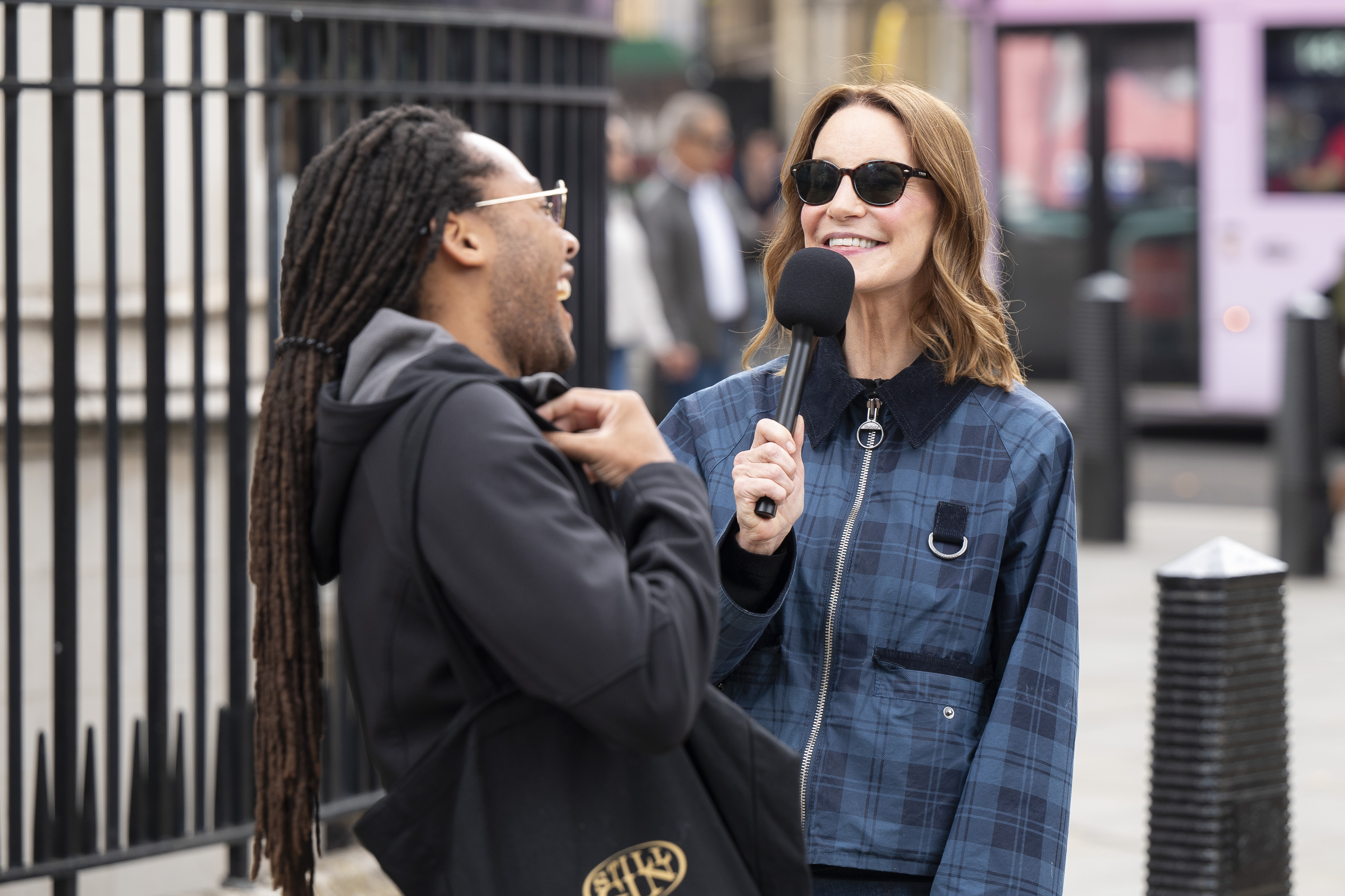
Linguist Susie Dent is championing the word 'meekend' – in the hope that one day it might enter the dictionary.


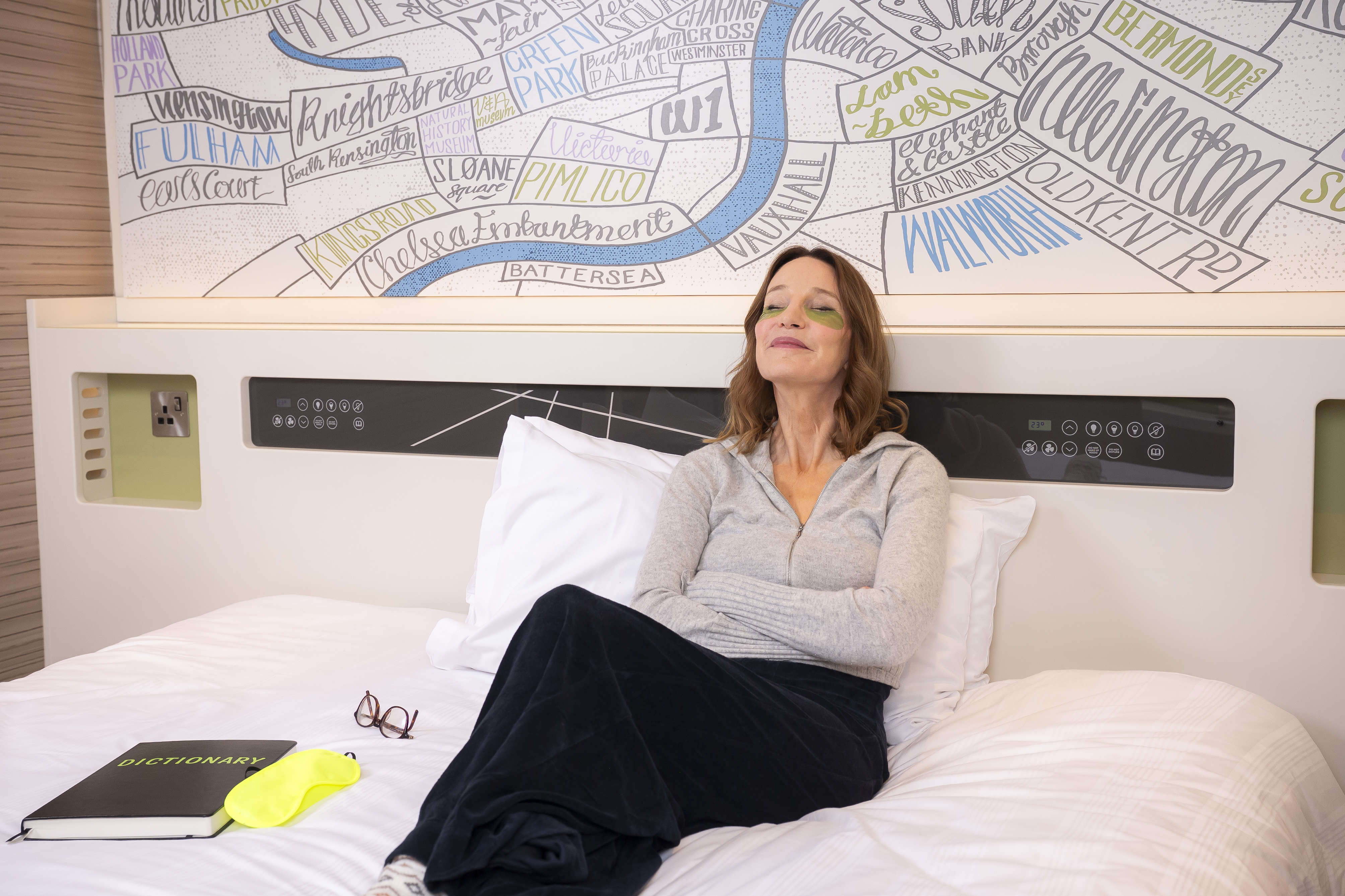
'Meekend' means having a whole weekend of free time to yourself, doing what you want, when you want – a luxury we all need once in a while, according to 80 per cent of adults.


Lexicographer Susie feels that the portmanteau neatly encapsulates a modern lifestyle phenomenon, in the same way that terms such as ‘staycation’ and ‘brunch’ have entered mainstream language.


It follows research of 2,000 adults, commissioned by Hub by Premier Inn, which revealed the formula for the perfect meekend.


With almost half (49 per cent) hoping for a meekend at least monthly and one in ten (11 per cent) wishing that every weekend could include some alone time.


Almost a third (32 per cent) would like to spend time alone outdoors and exploring nature, a third (32 per cent) would enjoy a lie in, while one in five would  like to go so far as to stay in bed all day, without any disturbances.
Show more
Show less
Hall Exterior

And 55 per cent would enjoy travelling solo to a city for a weekend break – with London and Edinburgh the most popular urban destinations for this.


A further 22 per cent have already booked themselves a hotel alone to relax and recharge – which left 73 per cent of those feeling refreshed.


Susie, who is working with hub, which has 19 hotels in London and Edinburgh city centre, says: "Choosing to have time for oneself can feel very important in our everyday lives, so it makes sense to have a term that specifically encapsulates a solo weekend.


"Portmanteaux - mash-ups of existing words - have become increasingly popular over recent years, driven by social media and online culture. Once they take off, they often have a life of their own.


“My favourite portmanteau has to be chortle, a blend of ‘chuckle’ and ’snort’ and invented by Lewis Carroll. 

Show more
Show less

“Far more recent inventions include ’snaccident’ - the inadvertent eating of an entire packet of biscuits - and ‘binfluencer’, the neighbour who always puts their bins out first and promptly reminds the rest of us!


"But 'meekend' deserves its own rightful spot in the dictionary to encourage more people to take time to themselves – and there’s not currently a word that fully encapsulates this."


The research went on to find 82 per cent believe it’s important to have regular alone time for their general wellbeing.


However, 56 per cent wished they had more time to themselves to do exactly what they want, when they want.


And 76 per cent had never heard of the term ‘meekend’ but when they were made aware of the meaning, 73 per cent find the idea appealing.

Show more
Show less

With 61 per cent considering a meekend good for the soul, according to the OnePoll.com figures.


While a quarter (23 per cent) think they’ll use the portmanteau in their own vocabulary – with Gen Z being the most likely to bring it into the mainstream, as 46 per cent say they will be likely to use it.

Show more
Show less

The rise of the 'meekend'