Belgravia hotels
8 Hotels found



Why Premier Inn?
Is it our comfy beds, our seriously tasty food, our great value hotels or our amazing teams that guests love so much? We reckon it’s a bit of everything.

We're everywhere

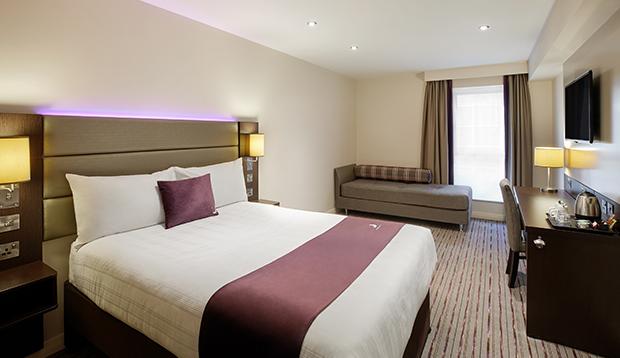
Super-comfy beds

Free Wi-Fi

Family friendly

Flexible rates

Unlimited breakfast
Breaks in the UK

FAQs
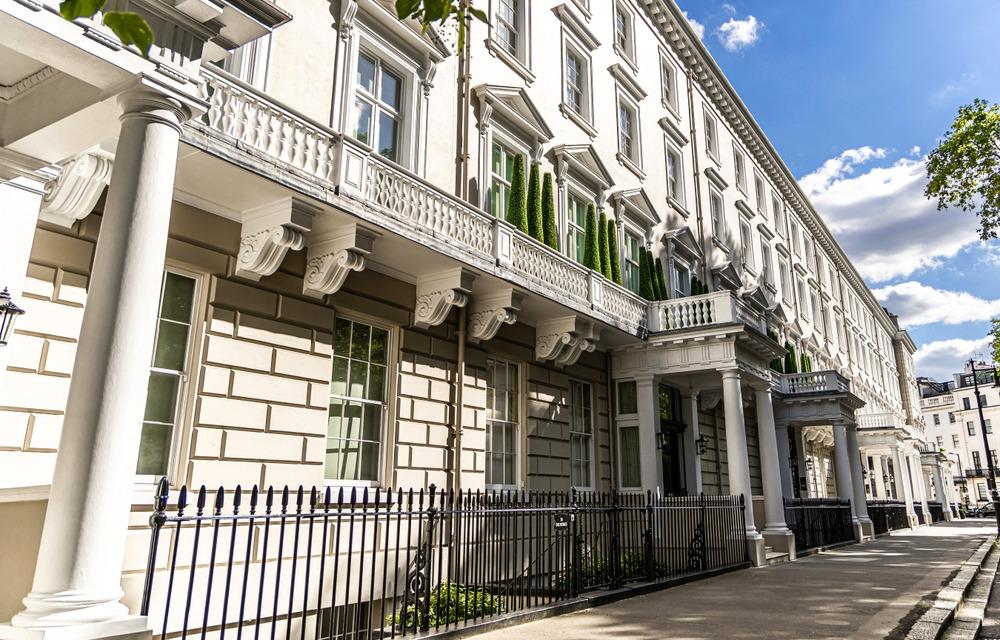
Belgravia is known for its Georgian architecture, exclusive residences and luxury lifestyle. It’s one of London’s most prestigious neighbourhoods, home to embassies, high-end boutiques and historic garden squares like Belgrave Square and Eaton Square. The area was developed in the 19th century by the Grosvenor family and remains closely associated with wealth, diplomacy and refined living.
Yes, Belgravia is absolutely worth visiting. It’s a peaceful yet central part of London, perfect for a relaxing stroll among grand townhouses, boutique shops and stylish cafes. You’ll find cultural highlights like Cadogan Hall, home to the Royal Philharmonic Orchestra and St Peter’s Church in Eaton Square, which hosts regular concerts. It’s also close to major landmarks like Buckingham Palace, making it a great base for exploring the city.
Belgravia is famous for being one of London’s most affluent and architecturally impressive districts. It’s known for its Regency-style terraces, blue plaques marking famous residents and its long-standing connection to the Grosvenor Estate. The area has been home to poets, politicians and royalty, and continues to attract high-profile residents and visitors. It’s also well known for luxury shopping, fine dining and historic venues like Cadogan Hall and The Goring Hotel.
Belgravia is a relatively compact district in central London, nestled between Knightsbridge, Chelsea and Westminster. While it’s not large in size, it’s densely packed with historic buildings, garden squares and cultural landmarks. The area is mostly residential, with a few key streets like Elizabeth Street, Motcomb Street and Sloane Street serving as hubs for shopping and dining.