Hotels in Salford
3 Hotels found

Why Premier Inn?
Is it our comfy beds, our seriously tasty food, our great value hotels or our amazing teams that guests love so much? We reckon it’s a bit of everything.

We're everywhere

Super-comfy beds

Free Wi-Fi

Family friendly

Flexible rates

Unlimited breakfast
Breaks in the UK

FAQs
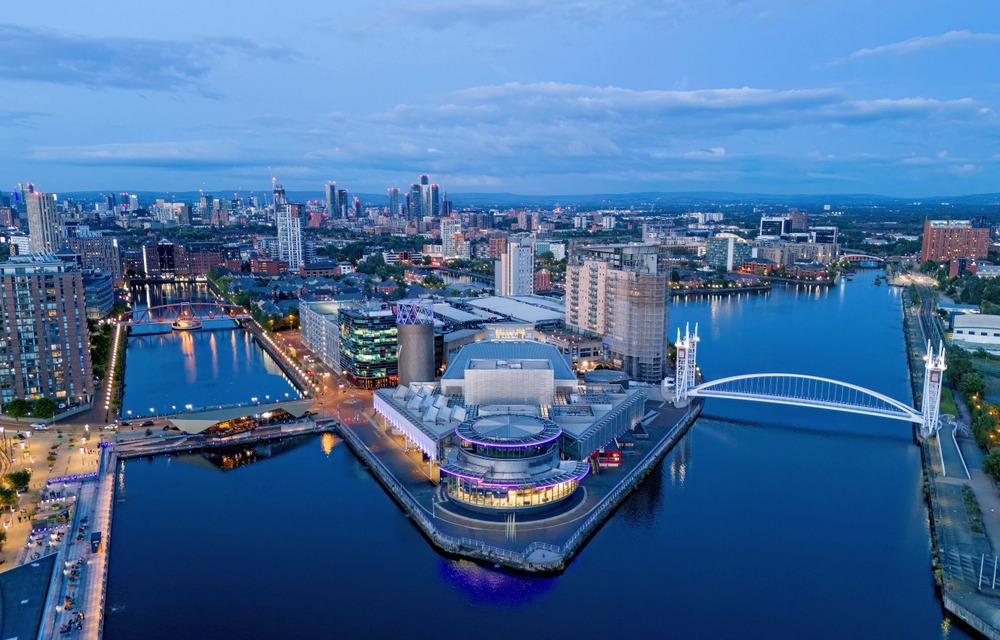
Yes, Salford is definitely worth visiting. It’s a city full of history, arts, and culture with a growing waterfront area at Salford Quays that’s home to big-name attractions like The Lowry and Imperial War Museum North. Whether you're into architecture, museums, theatre or waterside walks, there’s plenty to explore – and it’s right next to Manchester, so it's easy to include in a wider city break.
Salford is best known for its strong links to the arts and media. It’s home to MediaCityUK, where major broadcasters like the BBC and ITV have studios. It also has a rich industrial heritage and is associated with the famous artist L.S. Lowry, whose work is celebrated at The Lowry arts centre. Historically, it played a key role in the Industrial Revolution, and it’s known for being one of the UK’s first true industrial cities.
Salford is its own city, separate from Manchester, though the two are closely connected. They sit side by side and often feel like one large area, especially when it comes to public transport and city life. But technically, Salford has its own city council, even if it shares much of its buzz and activity with Manchester.
Salford is most famous for MediaCityUK, a major media hub and for being the birthplace of L.S. Lowry, whose paintings of northern life are known around the world. It’s also known for The Lowry theatre and gallery, and for its waterside regeneration at Salford Quays. Historically, Salford is famous for its role in industry, canals and as the setting for some gritty northern literature and drama.