Premier Inn Canning Town
7 Hotels found

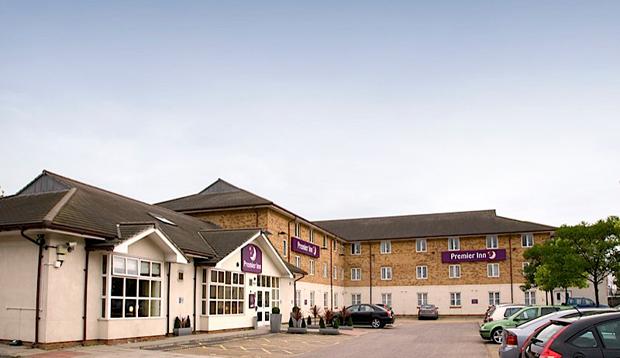
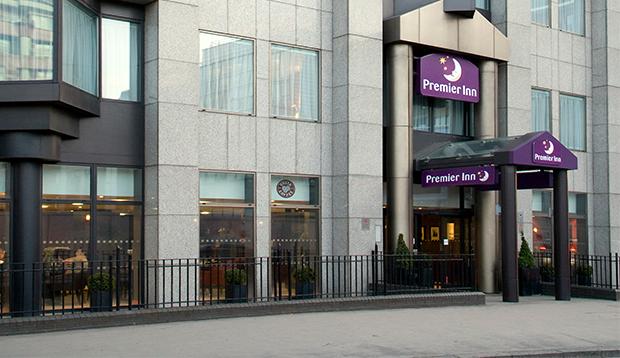

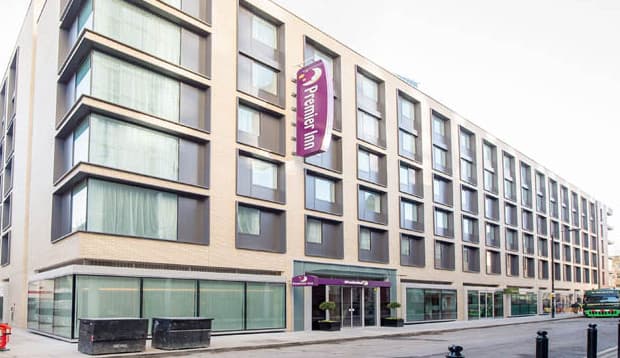
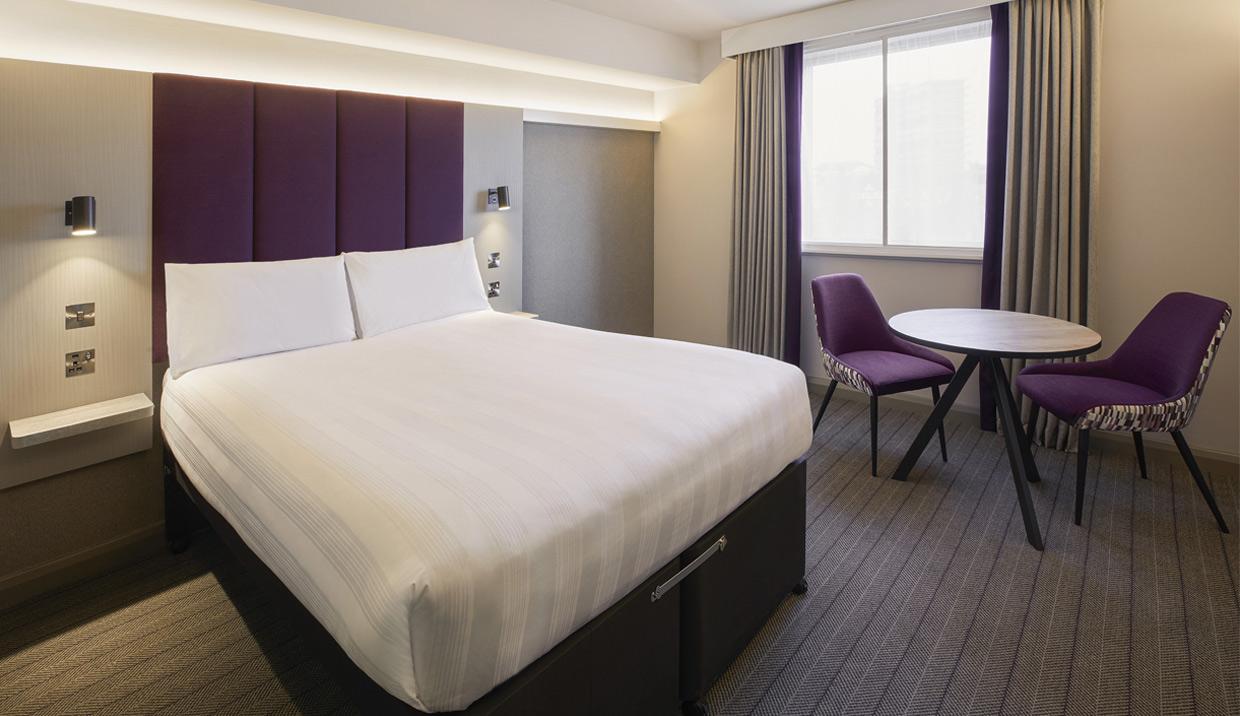
Why Premier Inn?
Is it our comfy beds, our seriously tasty food, our great value hotels or our amazing teams that guests love so much? We reckon it’s a bit of everything.

We're everywhere

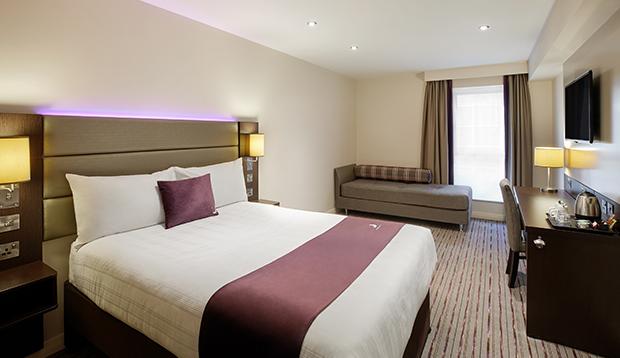
Super-comfy beds

Free Wi-Fi

Family friendly

Flexible rates

Unlimited breakfast
Breaks in the UK

FAQs
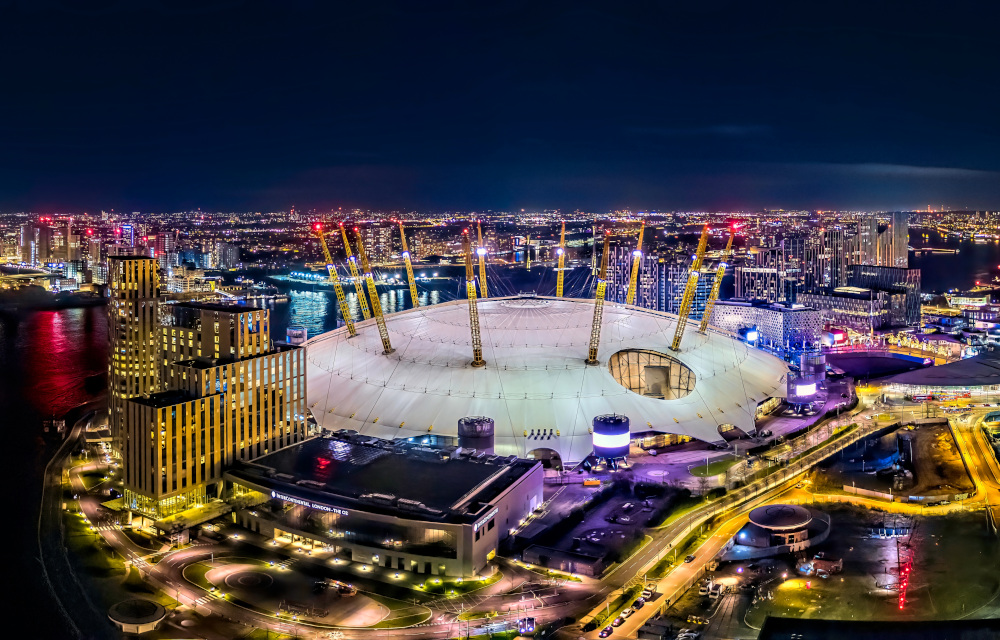
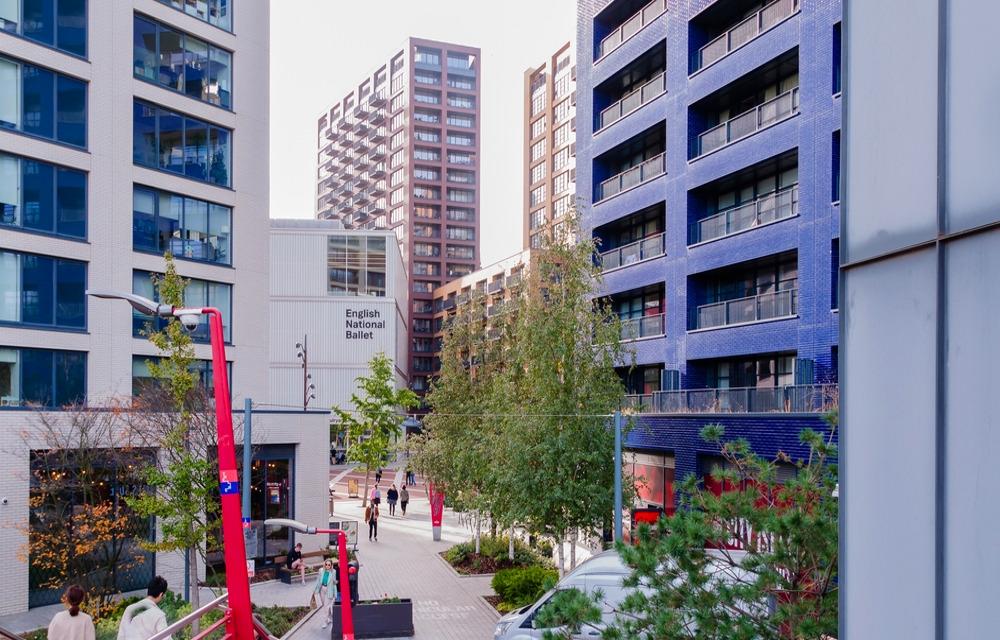
Canning Town is known for its industrial heritage and riverside history in East London. Historically, it was a hub for the shipping and docklands industries, closely linked to the Royal Docks and the Thames Ironworks, the latter being the birthplace of West Ham United Football Club. Today, it’s more famous for being a fast-developing neighbourhood with great connections to big London attractions, including the ExCeL London exhibition centre, the O2 Arena and the Emirates Air Line Cable Car that crosses the Thames.
Canning Town is a compact district in the London Borough of Newham, located on the north side of the River Thames. While it’s not a huge area, it’s part of the wider Docklands regeneration zone, meaning it feels busier than its size might suggest. Most of the attractions, residential areas and transport links are all within easy walking distance, making it simple for visitors to explore on foot or by public transport.
Canning Town is known for its Docklands history, riverside regeneration and transport links that connect to the heart of London and nearby attractions. It’s home to Bridge House 2, a nod to its music scene heritage, and sits close to ExCeL London, the Royal Docks and Bow Creek Ecology Park. Many people also associate Canning Town with West Ham United’s historic roots and its place in the story of London’s industrial past.
Canning Town is believed to have been named after George Canning, the British Prime Minister in the 1820s. The area began to grow as part of London’s industrial expansion, with workers settling there to be near the docks and factories that lined the Thames. Over time, it evolved from a docklands worker community into the urban riverside district