High Wycombe hotels
2 Hotels found

Why Premier Inn?
Is it our comfy beds, our seriously tasty food, our great value hotels or our amazing teams that guests love so much? We reckon it’s a bit of everything.

We're everywhere

Super-comfy beds

Free Wi-Fi

Family friendly

Flexible rates

Unlimited breakfast
Breaks in the UK

FAQs
Yes, High Wycombe is really well-connected to London. It’s about 30 miles west of central London, and by train, you can get from High Wycombe to London Marylebone in around 30 to 40 minutes. That makes it a popular spot for commuters and day-trippers alike. If you're driving, it's easily accessible via the M40 too, so it's a great base for exploring both the capital and the surrounding countryside.
High Wycombe has a rich history and is especially known for its furniture-making heritage—particularly chairs! In fact, it was once the chair-making capital of the UK. The town’s past is celebrated at the Wycombe Museum, where you can learn about its industrial roots and local stories. Today, High Wycombe is also known for its mix of history, green open spaces, and family-friendly attractions like Hughenden Manor and The Rye park.
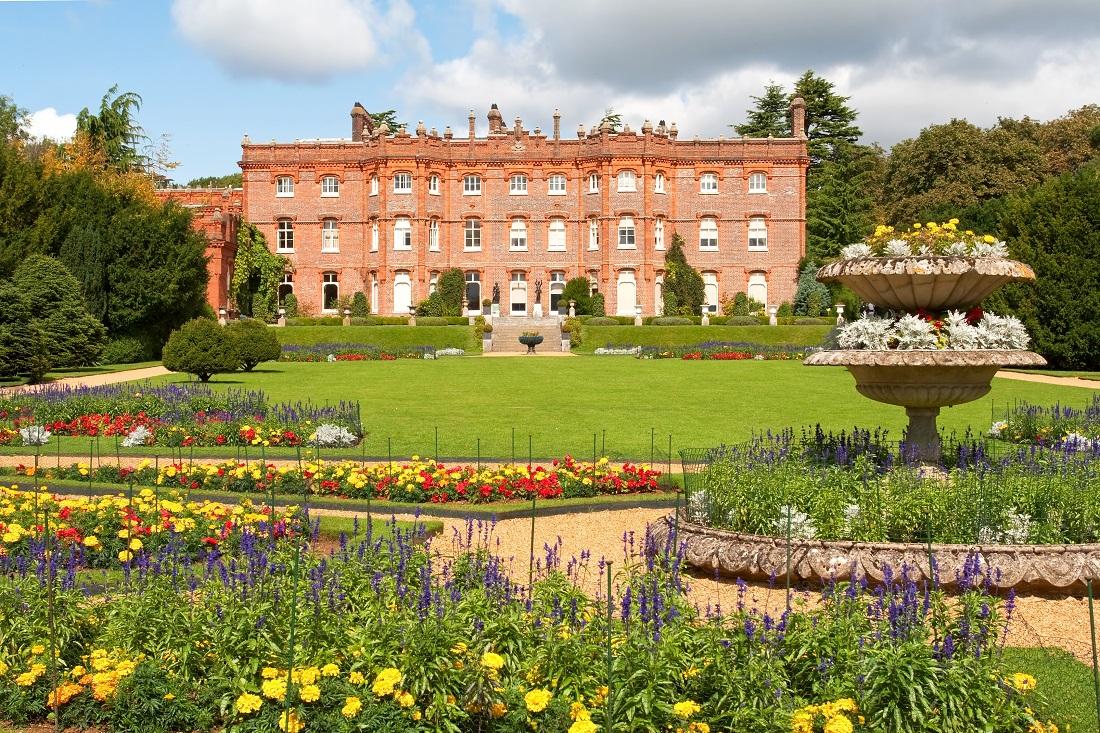
Definitely! Whether you're into history, countryside walks, shopping or family activities, High Wycombe has something to offer. History lovers can step back in time at Hughenden Manor, the former home of Prime Minister Benjamin Disraeli, or venture into the Hell Fire Caves nearby. There are also great places for kids like Odds Farm Park, plus a good mix of shops, cafes and green spaces.
High Wycombe has a long history that stretches back over a thousand years. It was mentioned in the Domesday Book of 1086, but there’s evidence of settlement in the area going back to Roman times—and even earlier. Over the centuries, it grew from a small market town into an important industrial centre, particularly during the 18th and 19th centuries, thanks to its thriving furniture trade.